

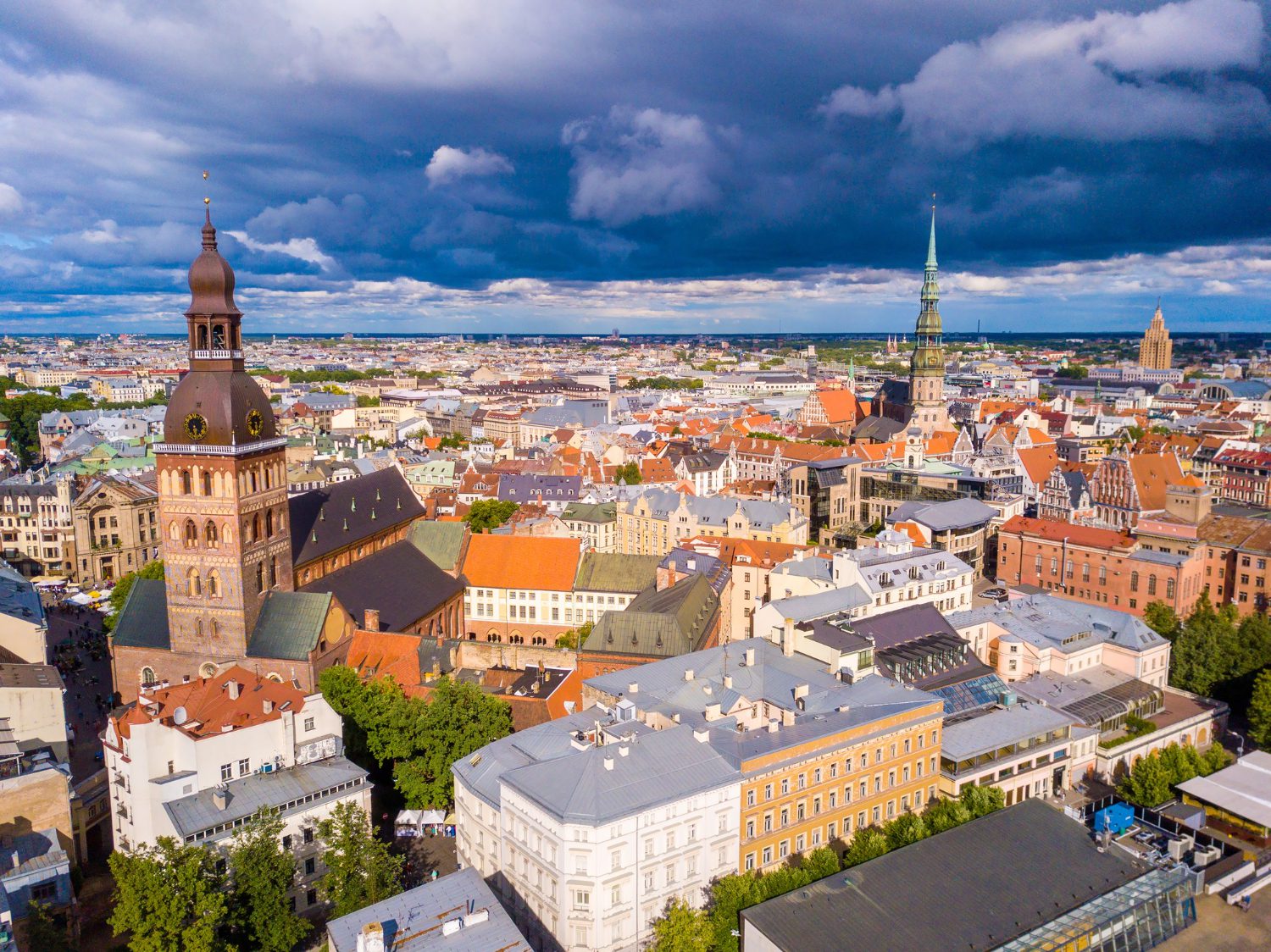
The capital city of Lithuania has been submitted formally for the location of the upcoming European Union Anti-Money Laundering Authority (AMLA) thereby strengthening its position within EU financial oversight. The present initiative demonstrates Lithuania’s commitment to fighting financial crimes and shows the growing reputation of the country as a center for economic technology and adjustment excellence.
Lithuania’s Commitment to Financial Integrity
Here is a summary of the request submitted by Vilnius to the European Commission, fronted by Finance Minister Gintarė Skaistė on November 10, 2023. She explained that this undertaking is really more than two years of hard work at the government level to picture Lithuania as a favorable site for the AMLA. According to Minister Skaistė, Lithuania has much to offer, such as robust institutional capacity for risk governance in the financial sector, a large pool of conformity experts, and, of course, the strategic location that Vilnius offers in terms of cultural diversity. All of these, as per her, make Vilnius an ideal seat for the European anti-money laundering management.
Strategic Advantages of Vilnius
Lithuania’s bid is bolstered by several key factors that align with the EU’s objectives for the AMLA:
- Proven Track Record in AML/CFT: Lithuania has demonstrated a strong commitment to anti-money laundering (AML) and countering the sponsoring of terrorism (CFT). The country consistently ranks among the top nations in global AML indices, reflecting its effective regulatory frameworks and enforcement mechanisms.
- Vibrant Talent Pool: Vilnius boasts a dynamic and skilled workforce, particularly in the fields of finance and technology. The city is home to over 265 fintech enterprises, contributing to a rich ecosystem of obedience experts and innovators. This concentration of talent ensures that the AMLA would have access to the necessary human resources to fulfill its mandate effectively.
- Regulatory Expertise and Innovation: Country has invested heavily in developing advanced regulatory tools and fostering collaboration between the public and private sectors. Initiatives such as the Centre of Excellence in Anti-Money Laundering exemplify the country’s proactive approach to mitigating financial crimes. Additionally, Lithuania’s experience as a fintech hub has equipped it with the knowledge to navigate complex regulatory landscapes, an asset that would benefit the AMLA.
- Geographical and Cultural Appeal: Positioned at the crossroads of Northern and Eastern Europe, Vilnius offers strategic access to various EU markets. The city’s high quality of life, combined with its green spaces and cultural vibrancy, makes it an attractive destination for professionals and their families. This environment would support the recruitment and retention of top-tier talent for the AMLA.
The Selection Process
The journey to establish the AMLA’s headquarters is a competitive one, with nine EU member states vying for the honor. Candidates include major cities such as Paris, Frankfurt, and Madrid, each presenting compelling cases based on their financial sectors and infrastructural capacities. The European Parliament and the Council of the EU have instituted a transparent selection process, incorporating public hearings where each candidate city can present its bid and respond to inquiries. This approach marks a departure from previous practices, ensuring a fair and open evaluation of all proposals.
The selection criteria encompass several factors:
- Operational Readiness: The ability of the host city to provide suitable premises that can be operational in a timely manner.
- Accessibility: The city’s connectivity, including international transport links, facilitating ease of access for stakeholders.
- Quality of Life: Availability of high-quality education, healthcare, and other services essential for the well-being of AMLA staff and their families.
- Geographical Balance: Ensuring a fair distribution of EU agencies across member states to promote inclusivity and representation.
- Lithuania’s bid addresses these criteria comprehensively, positioning Vilnius as a strong contender in the selection process.
Implications for Lithuania and the EU
Hosting the AMLA in Vilnius would signify a monumental achievement for Lithuania, reinforcing its status as a leader in economic law and innovation within the EU. It would attract international expertise, stimulate economic growth, and enhance the country’s influence in shaping EU financial policies.
For the European Union, situating the AMLA in Vilnius would exemplify a commitment to geographical diversity and the recognition of emerging centers of excellence within the bloc. It would also leverage Lithuania’s proactive stance on AML/CFT, contributing to a more robust and unified approach to financial crime prevention across member states.
Lithuania’s Vision for the Future of AMLA
Lithuania’s vision for hosting the Anti-Money Laundering Authority goes beyond providing a physical location. The country aims to shape the future of financial integrity in the European Union by fostering a collaborative ecosystem that drives innovation in regulatory technology (RegTech) and anti-money laundering strategies. By leveraging its thriving fintech sector, Lithuania envisions Vilnius as a hub where cutting-edge resolutions to economic crimes are designed and tested.
Minister Gintarė Skaistė emphasized that hosting the AMLA would not only enhance Lithuania’s role in safeguarding the EU’s financial systems but also contribute to building a more transparent and resilient European economy. She stated, “We are committed to supporting the EU’s fight against money laundering and terrorism financing by offering a dynamic environment where regulatory authorities, private sector players, and tech innovators can collaborate seamlessly.”
This vision aligns with the EU’s broader strategy to strengthen financial oversight and enforcement across member states. Lithuania’s proactive stance in this regard reflects its commitment to contributing to the security and stability of the European financial system, reinforcing its position as a forward-looking member of the EU community.
Challenges and Competition
While Lithuania presents a strong case, the competition for hosting the AMLA is fierce. Major European economic hubs, including Paris, Frankfurt, and Madrid, are also in the race, each leveraging their established financial infrastructures, global connectivity, and reputations as economic powerhouses. These cities argue that their established financial sectors and international reach provide a strategic advantage for the AMLA’s operations.
France, for instance, is promoting Paris as a natural choice, emphasizing its role as a global monetary center and its experience hosting other EU agencies, such as the European Securities and Markets Authority (ESMA). Similarly, Germany is positioning Frankfurt as the ideal host, highlighting its status as Europe’s banking capital and the headquarters of the European Central Bank.
Lithuania’s relatively smaller monetary field and geopolitical positioning could be seen as challenges compared to these heavyweights. However, the country counters this by arguing that the AMLA would benefit from being located in a rapidly growing, innovative, and less saturated financial environment. By situating the authority in Vilnius, the EU would signal its commitment to fostering balanced economic development across all regions.
What’s Next: Timeline and Expectations
The European Commission is expected to evaluate all bids thoroughly before announcing the final decision in mid-2024. The decision-making process will involve public hearings where each candidate city presents its vision and answers questions from EU officials and stakeholders. This transparent approach aims to ensure a fair assessment based on the strategic, operational, and infrastructural advantages offered by each location.
If selected, Lithuania plans to have the necessary infrastructure ready for the AMLA to be fully operational by 2026. This ambitious timeline underscores the country’s commitment to supporting the EU’s enhanced anti-money laundering framework, which aims to harmonize limitations and strengthen enforcement mechanisms across member states.
In the meantime, Lithuania continues to actively promote its bid, engaging with EU policymakers and other member states to build support. This diplomatic effort is a testament to Lithuania’s dedication to playing a key role in shaping the future of Europe’s financial security landscape.
With its strategic vision, innovative ecosystem, and commitment to financial integrity, Lithuania’s bid to host the EU’s Anti-Money Laundering Authority represents not only a national ambition but also a contribution to the collective security and prosperity of the European Union. As the selection process unfolds, all eyes are on Vilnius, eagerly awaiting whether it will be chosen to lead the EU’s fight against economic crime.
Conclusion
Lithuania’s formal bid to host the EU’s Anti-Money Laundering Authority reflects its dedication to upholding financial integrity and its readiness to contribute significantly to the EU’s regulatory framework. With a compelling combination of expertise, innovation, and strategic advantages, Vilnius stands poised to offer a conducive environment for the AMLA’s mission to combat financial crimes effectively.